iliil | interactive art and games by Michal Mariášek

Latest

Biography

Game development · Audiovisual art · Research and curating · Teaching · Software

Michal Mariášek (formerly Mariánek) has spent more than three decades where art meets technology. He began as a game developer and became senior game designer of Vietcong; turned to experimental audiovisual performance and the post-digital aesthetics of error; researched interactive technologies and curated international festivals at CIANT in Prague; taught new media for fourteen years; and today designs and builds software platforms. iliil is the platform he founded for his interactive art and games, where all of this comes together.

Game Development

1992 – 2004

He began making games professionally at sixteen. Over twelve years he moved from pixel artist to game designer and art director, on titles released by Eidos Interactive, Take-Two Interactive and Gathering of Developers.

Research and atmosphere

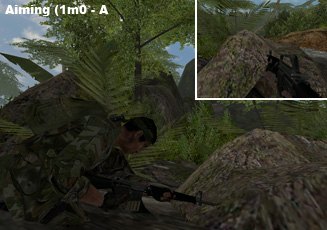
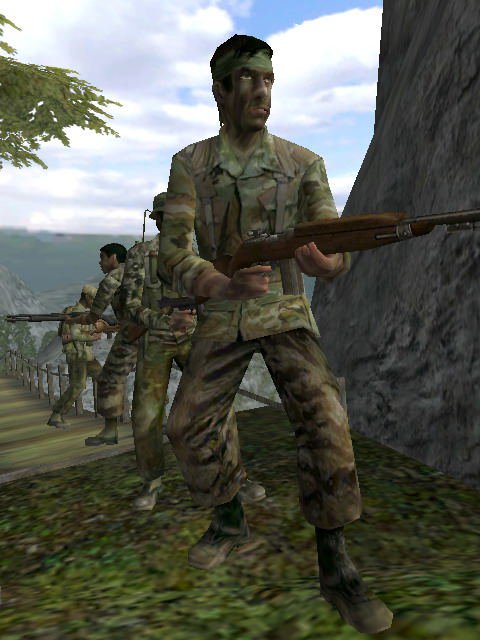
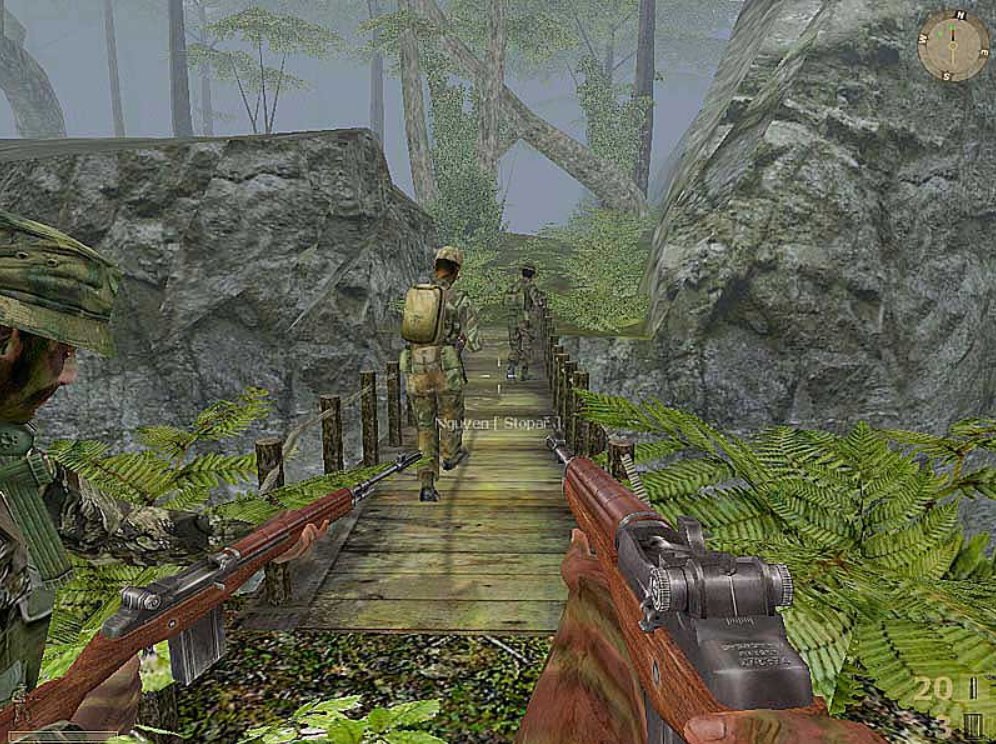
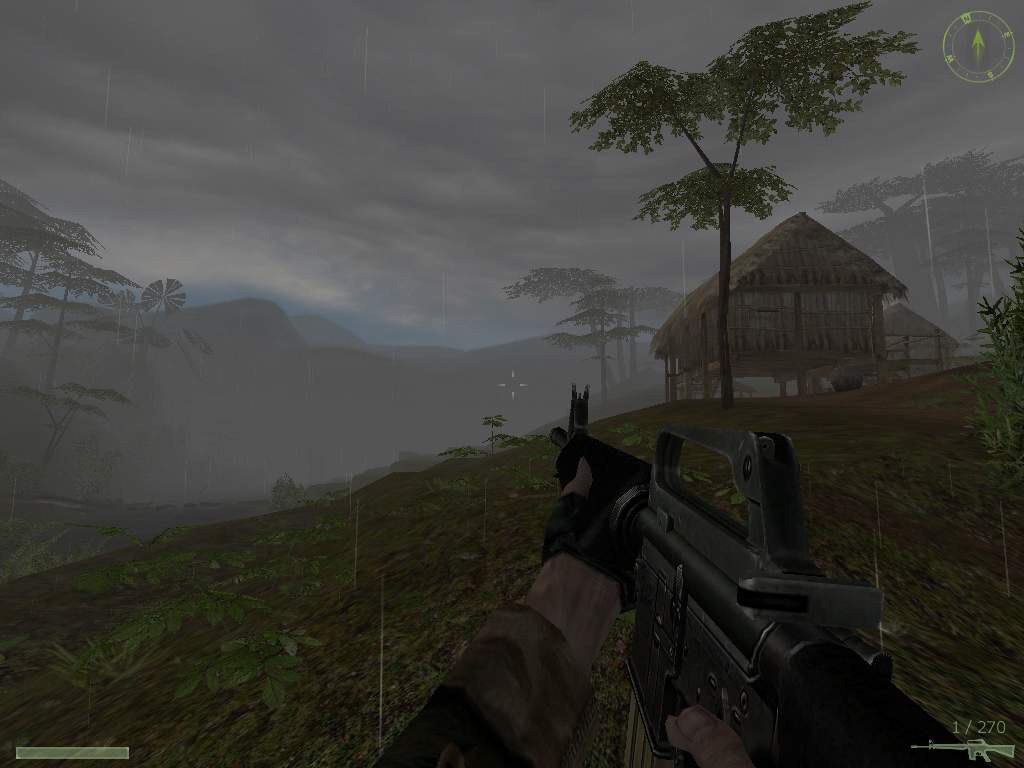
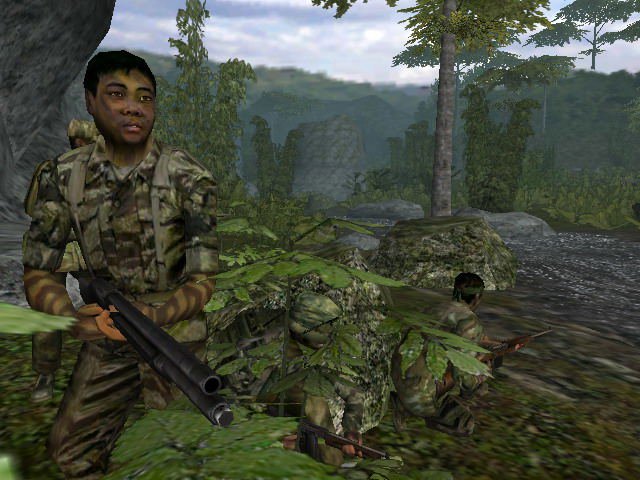
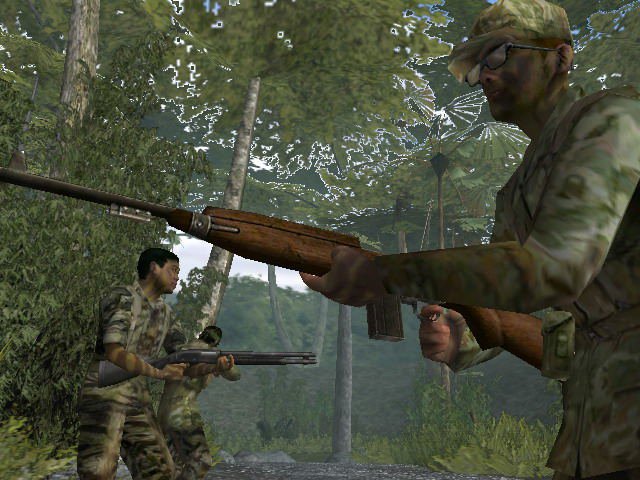
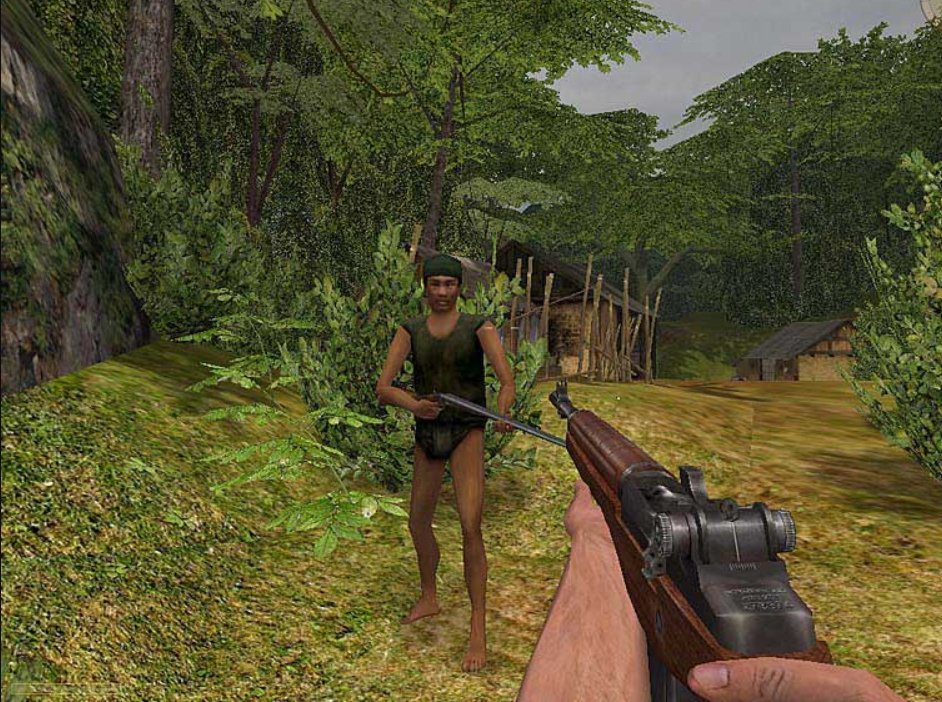
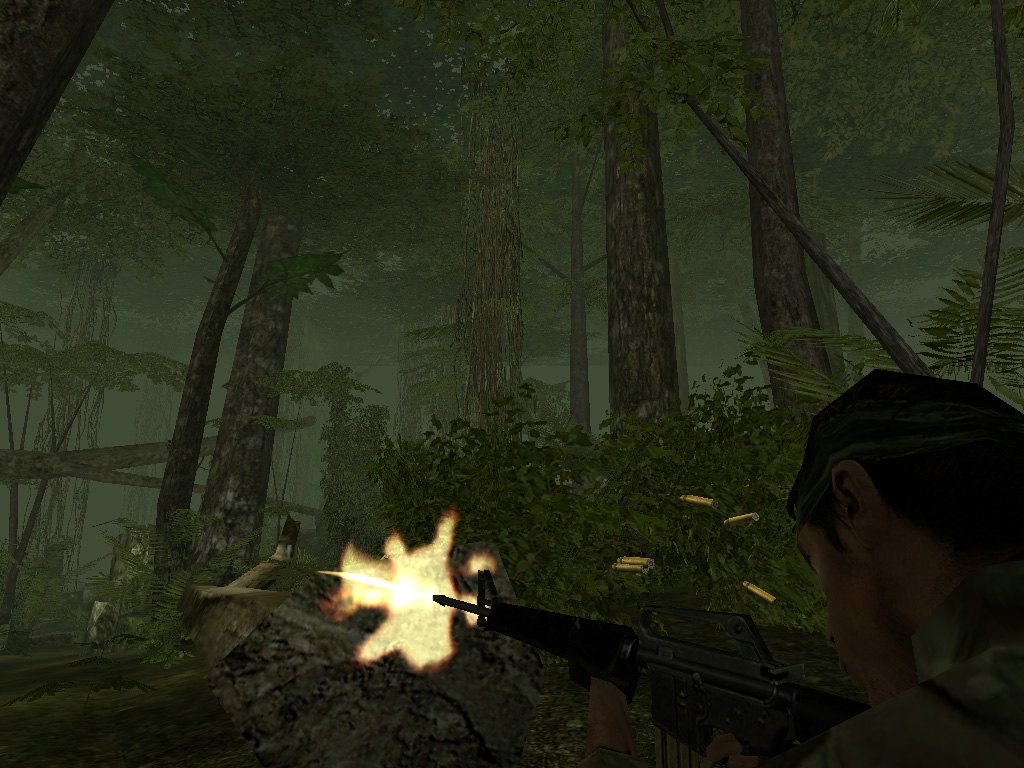
On Vietcong (2003), his largest project, he was art and animation director, responsible for the atmosphere of the war. He travelled to Vietnam to gather material on people, plants and architecture, studied period footage and films, supervised the casting and voice recording, and directed the actors’ movement in motion capture.

Game design

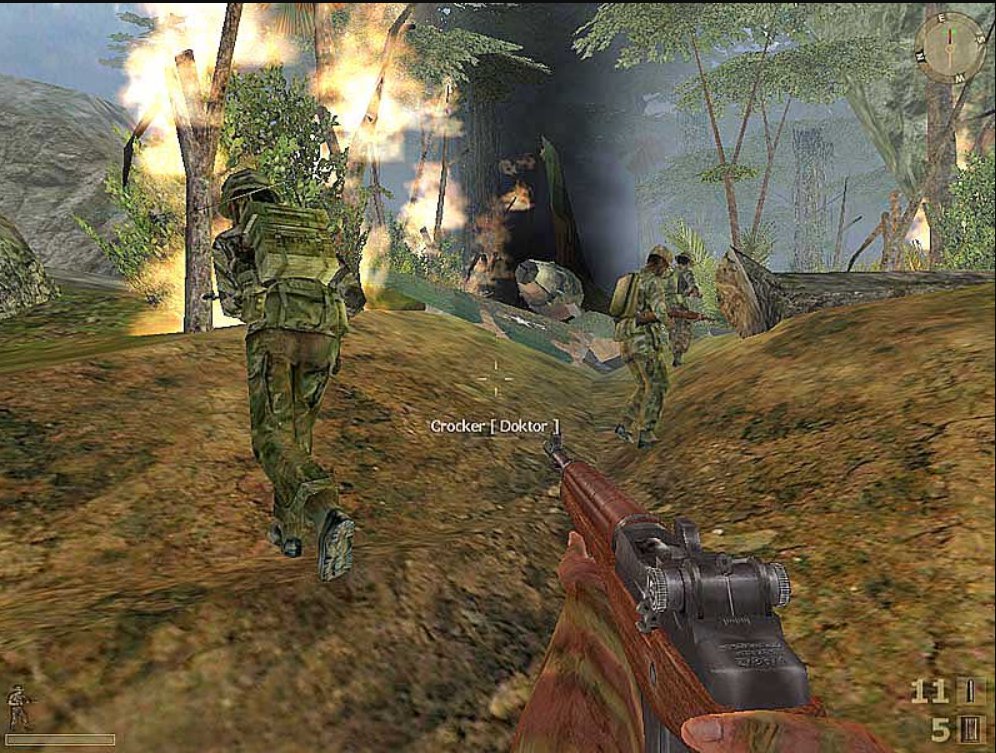
As senior game designer of Vietcong he laid down the core gameplay: the game modes, the shootout system with its unified obstacle system, and an aiming system shared by players and AI.

Directing

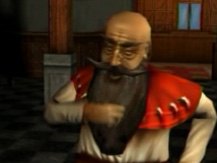
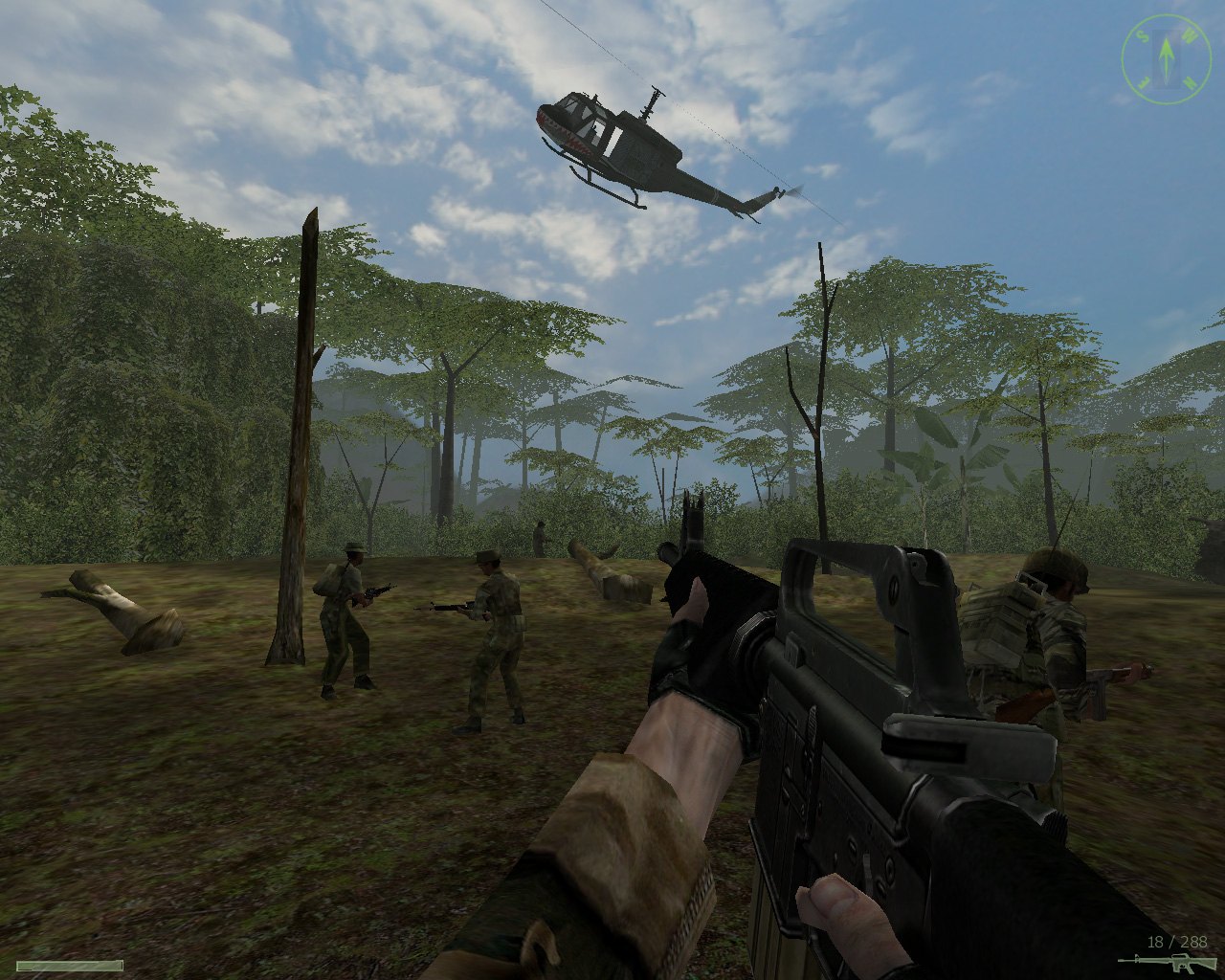
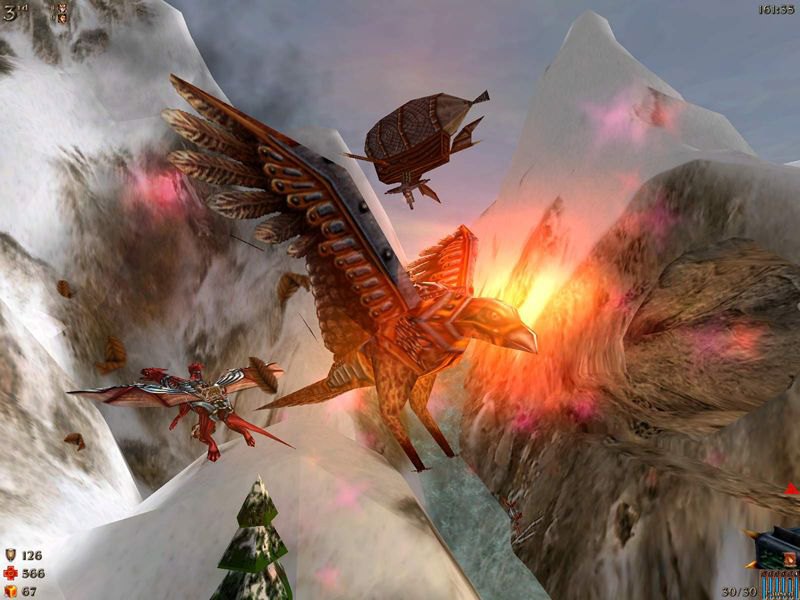
For Flying Heroes he designed, directed and edited the full-motion videos, from storyboards and character movement to voice recording and the final cut. For Vietcong and Vietcong: Fist Alpha he designed and scripted dozens of in-game cutscenes and made the game trailers.

Characters in motion

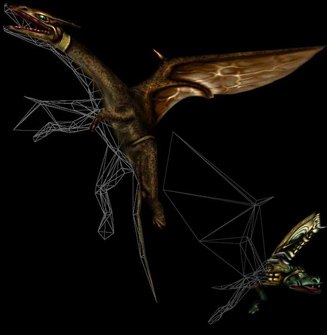
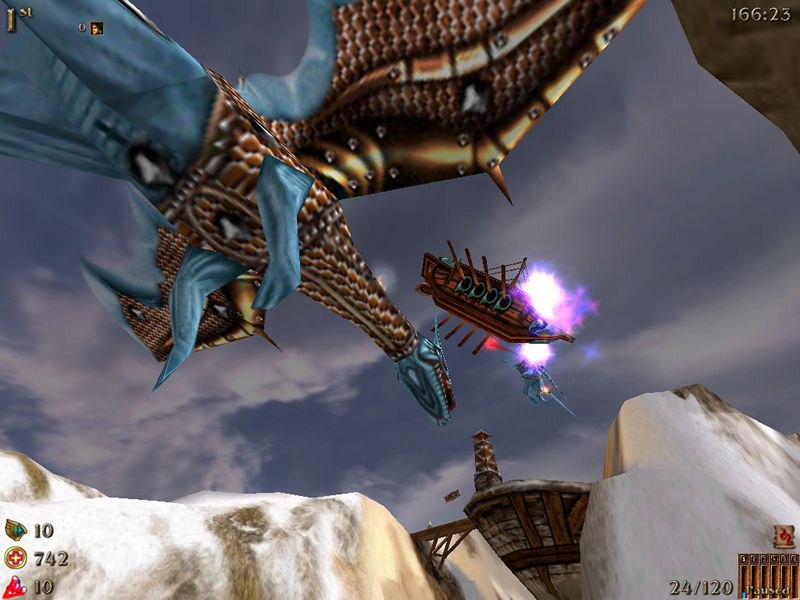
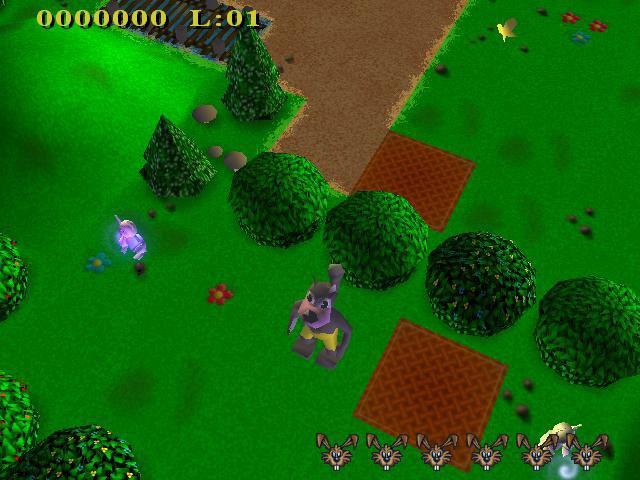
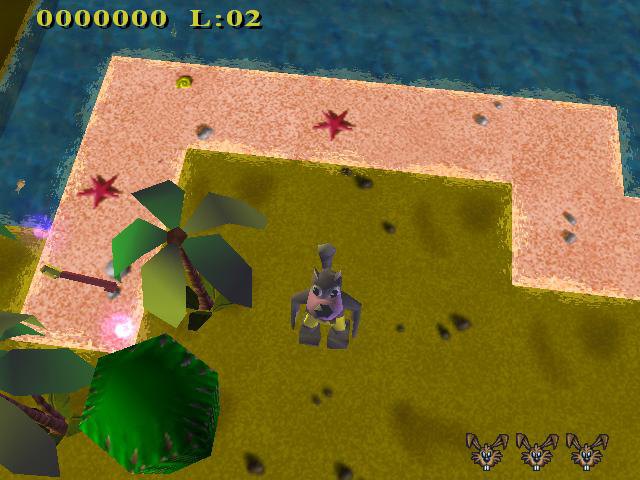
With the move to 3D he modelled and animated low-poly characters, creatures and flying craft for Tiny Trails and Flying Heroes, and devised the animation concept of the games.

Pixels and isometric worlds

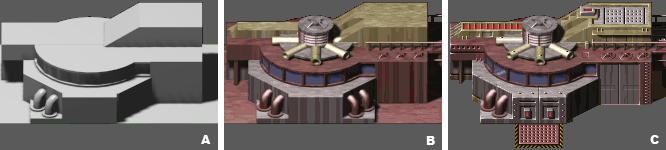
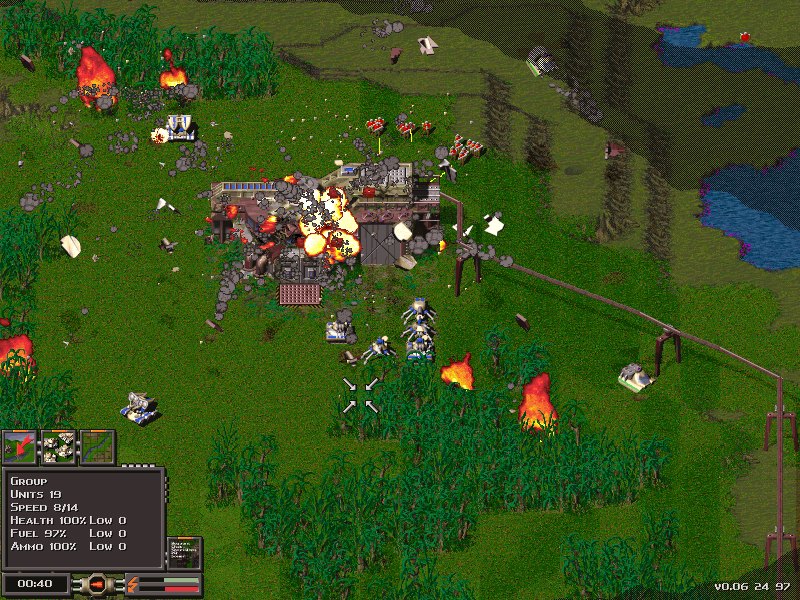
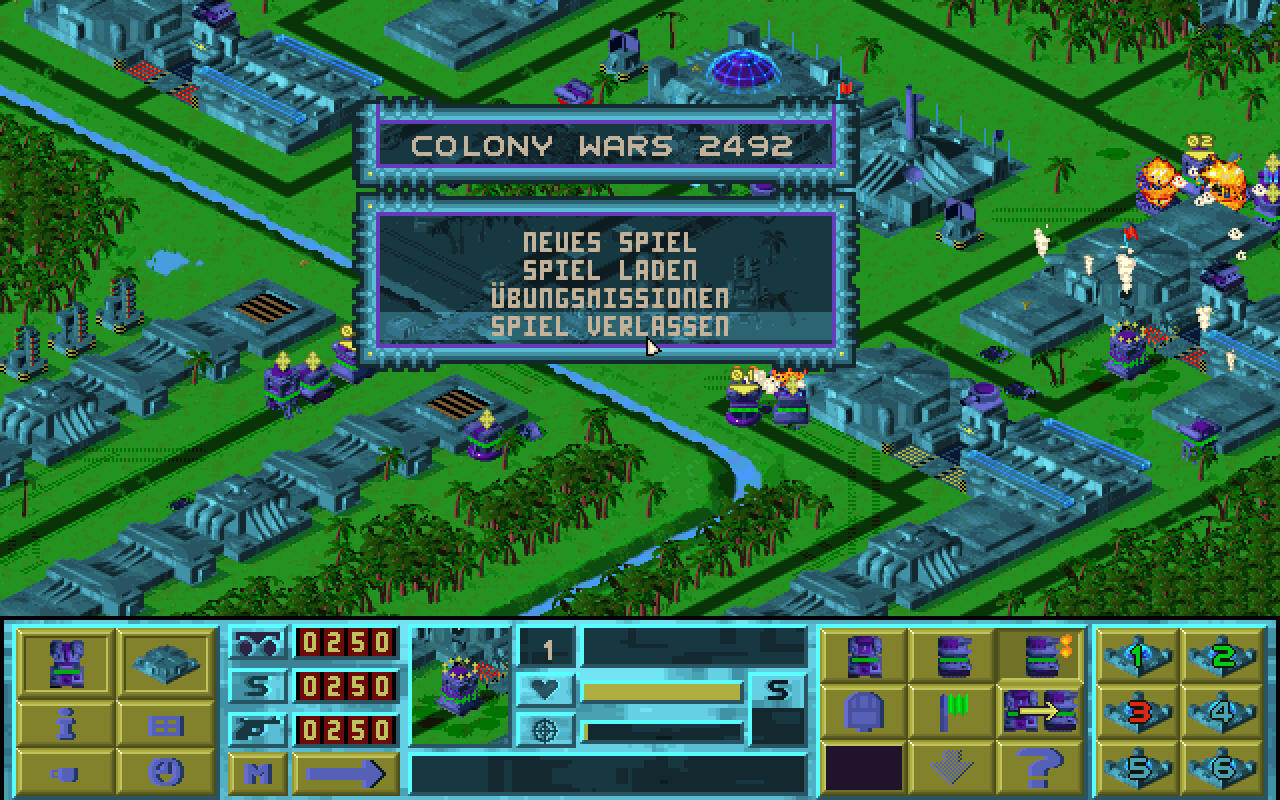
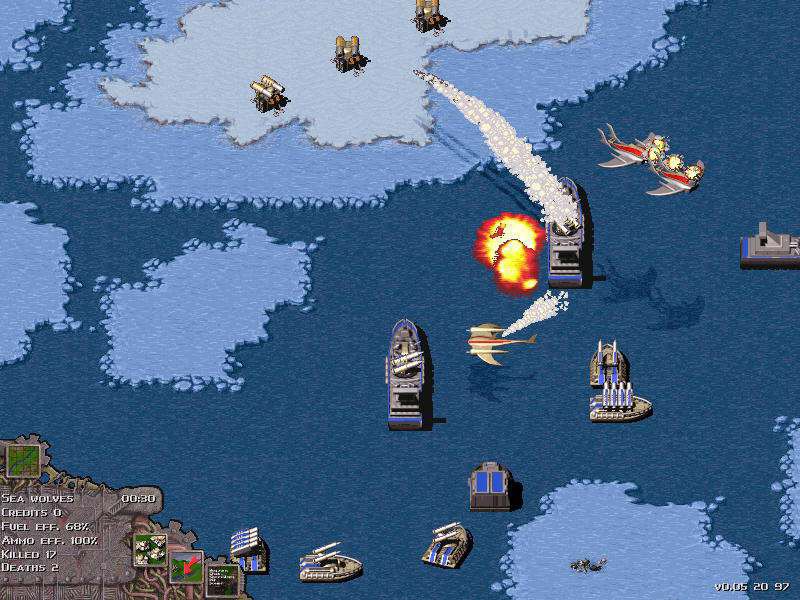
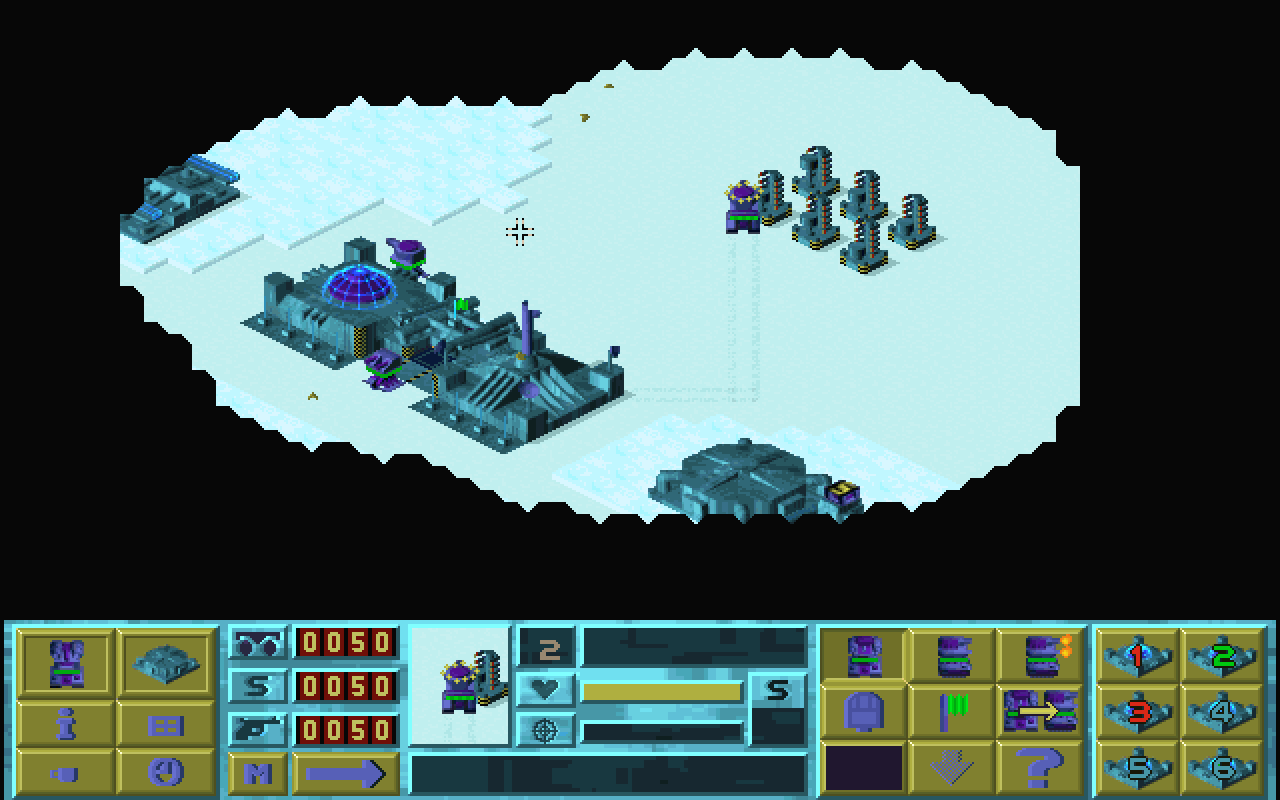
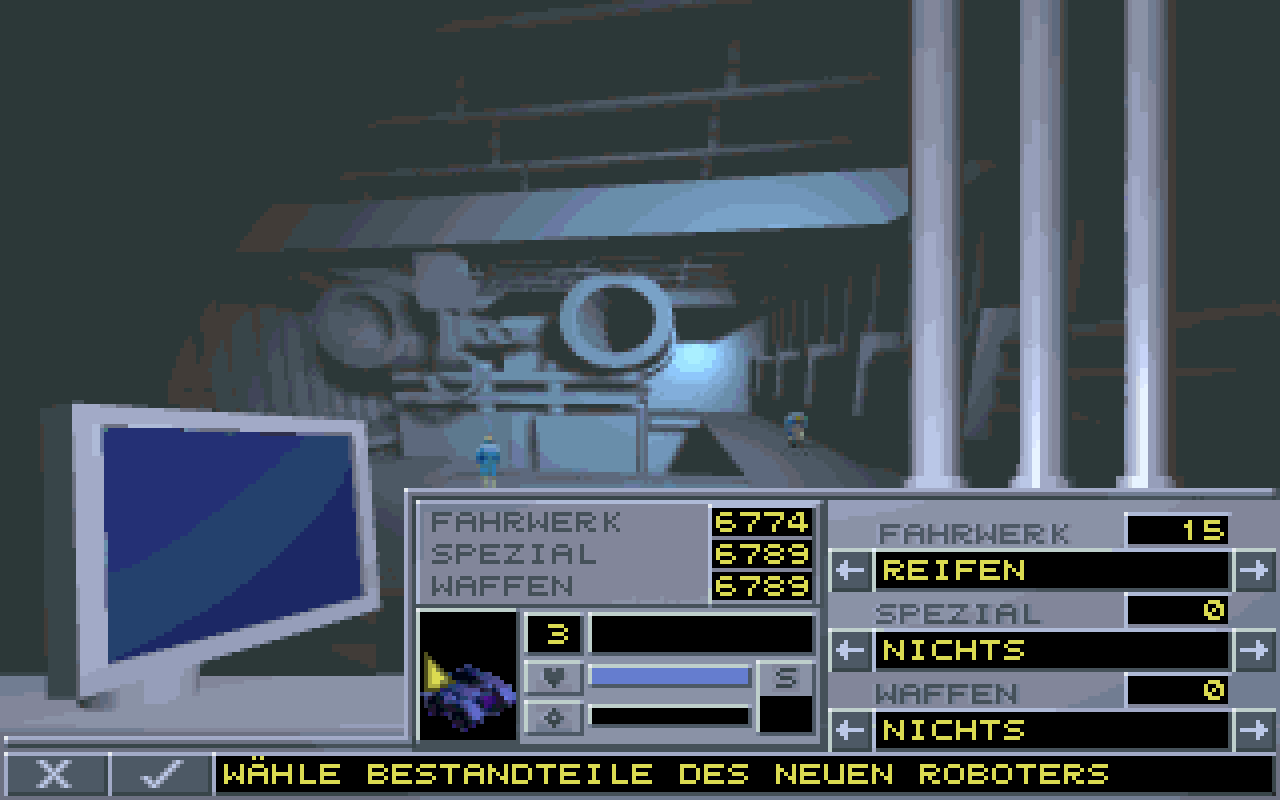
His first games, in the mid-1990s, were isometric real-time strategies. On Colony Wars 2492 he art-directed and drew the complete game graphics; on Akte Europa he designed, built and animated units and buildings, rendering them in 3D and finishing them by hand, pixel by pixel. On both he also designed the game levels.

Released games

Credited as Michal Mariánek. Select a cover to see screenshots.

Audiovisual Art and Performance

1999 – 2009

He left games at a moment when large productions offered less and less room for experiment, while interactive media in contemporary art were just opening it up. He studied Intermedia at the Faculty of Fine Arts in Brno (MgA., 2007), with study stays at the animation department of FAMU in Prague and at the Faculdade de Belas-Artes in Lisbon. His research into the aesthetics of digital failure followed the post-digital tendencies of the time, which treat the by-products that digital technology is designed to hide as material for art.

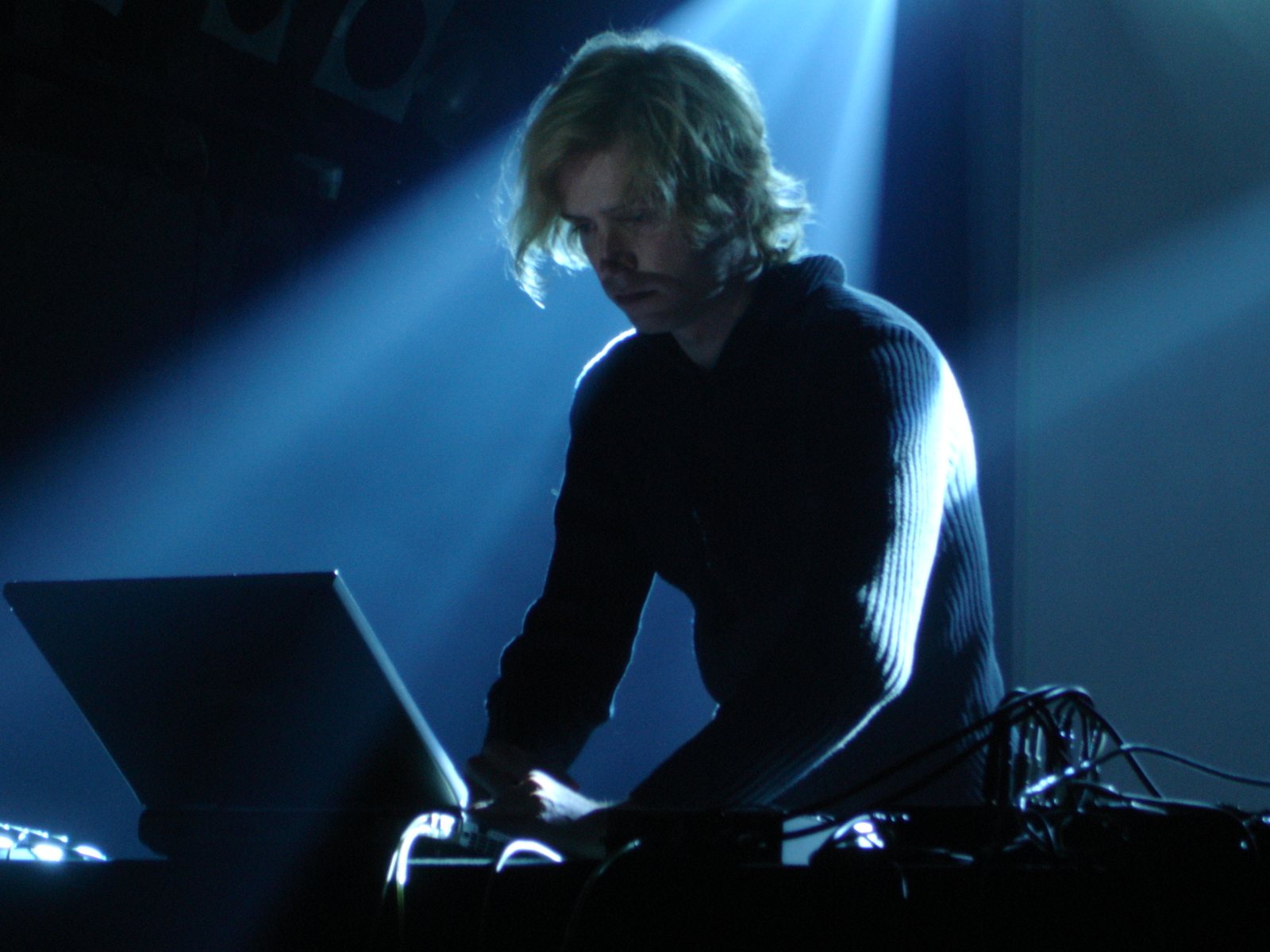
He was there at the birth of MuteMe, the legendary label and booking agency founded in 2003 that became the flagship of a new wave of experimental live electronic music in the Czech Republic and Slovakia. One of the first Czech artists to make music in modular sound software, he played nearly forty concerts with MuteMe between 2004 and 2007, from Berlin, Vienna and Kraków to Helsinki, Lisbon and Luxembourg, and performed as far afield as Yogyakarta in Indonesia.

Alfama

Audiovisual performance, 2005 – 2009

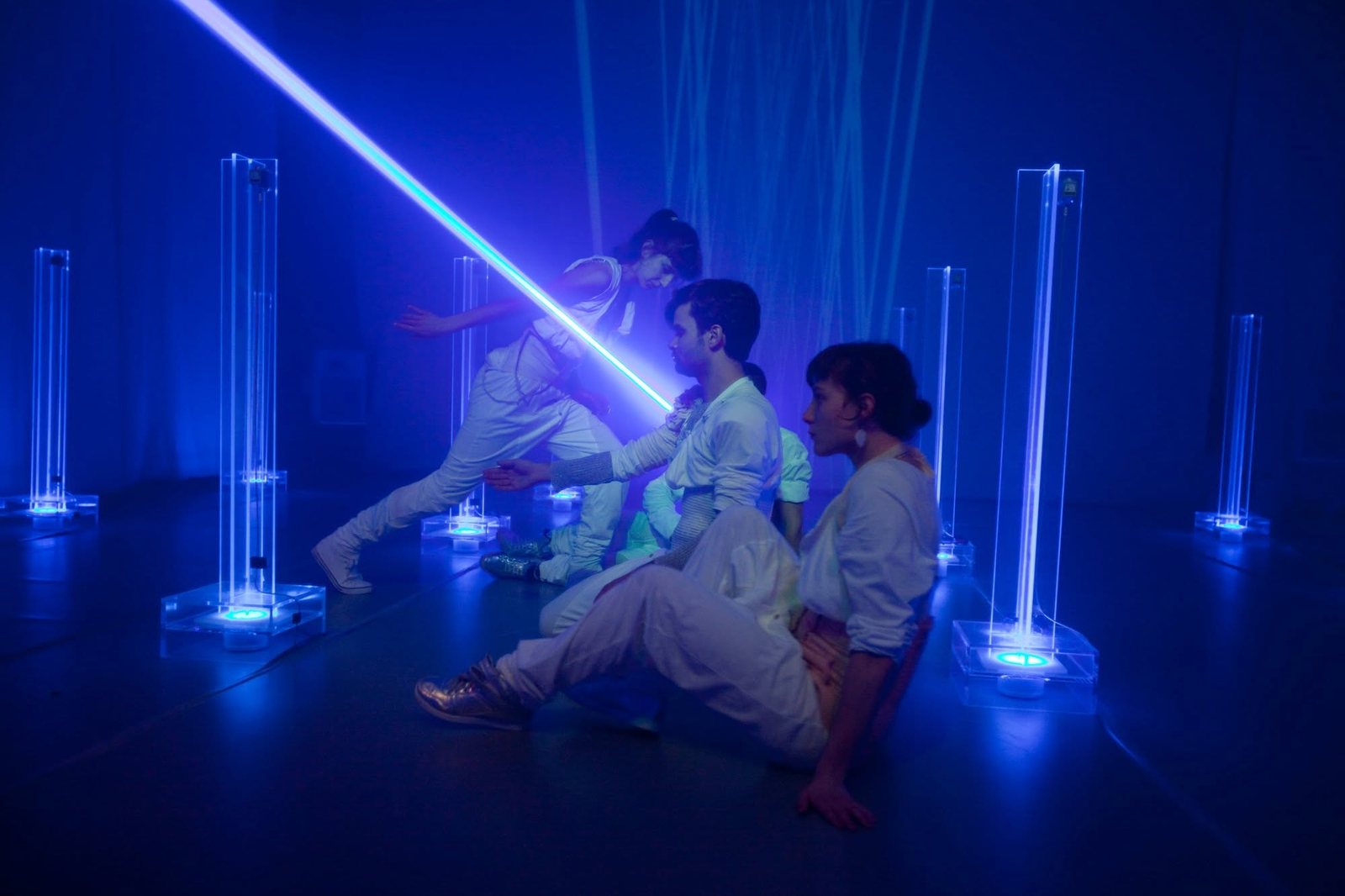
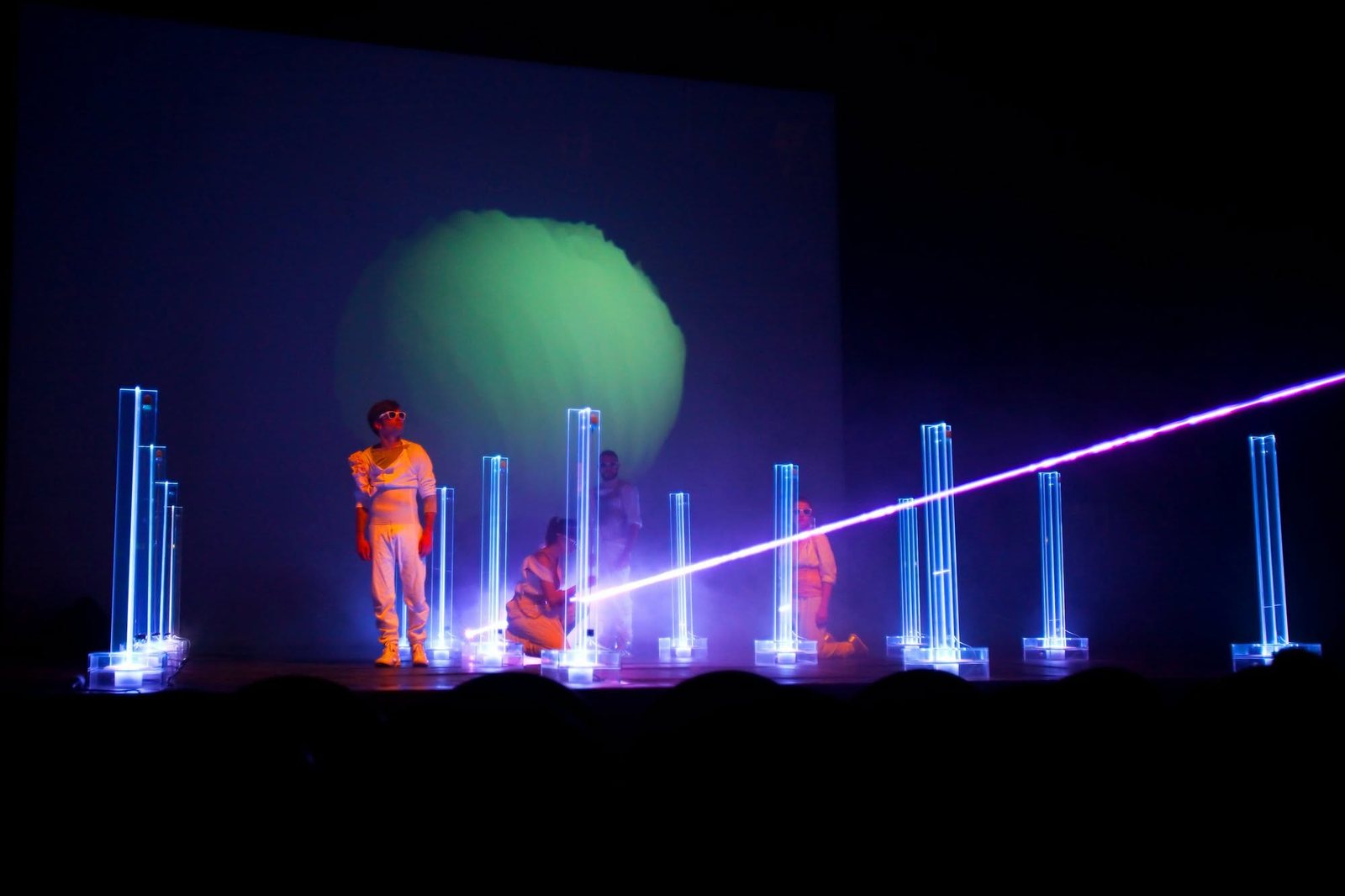
For Alfama, Michal Mariášek built his own software instruments and interactive environments that generate digital errors and let him control them live. Glitches, clipping and noise became the material of an audiovisual performance, created together with visual artists including Tomáš Hrůza and David Možný.

Credited as Michal Mariánek.

AntiGravity

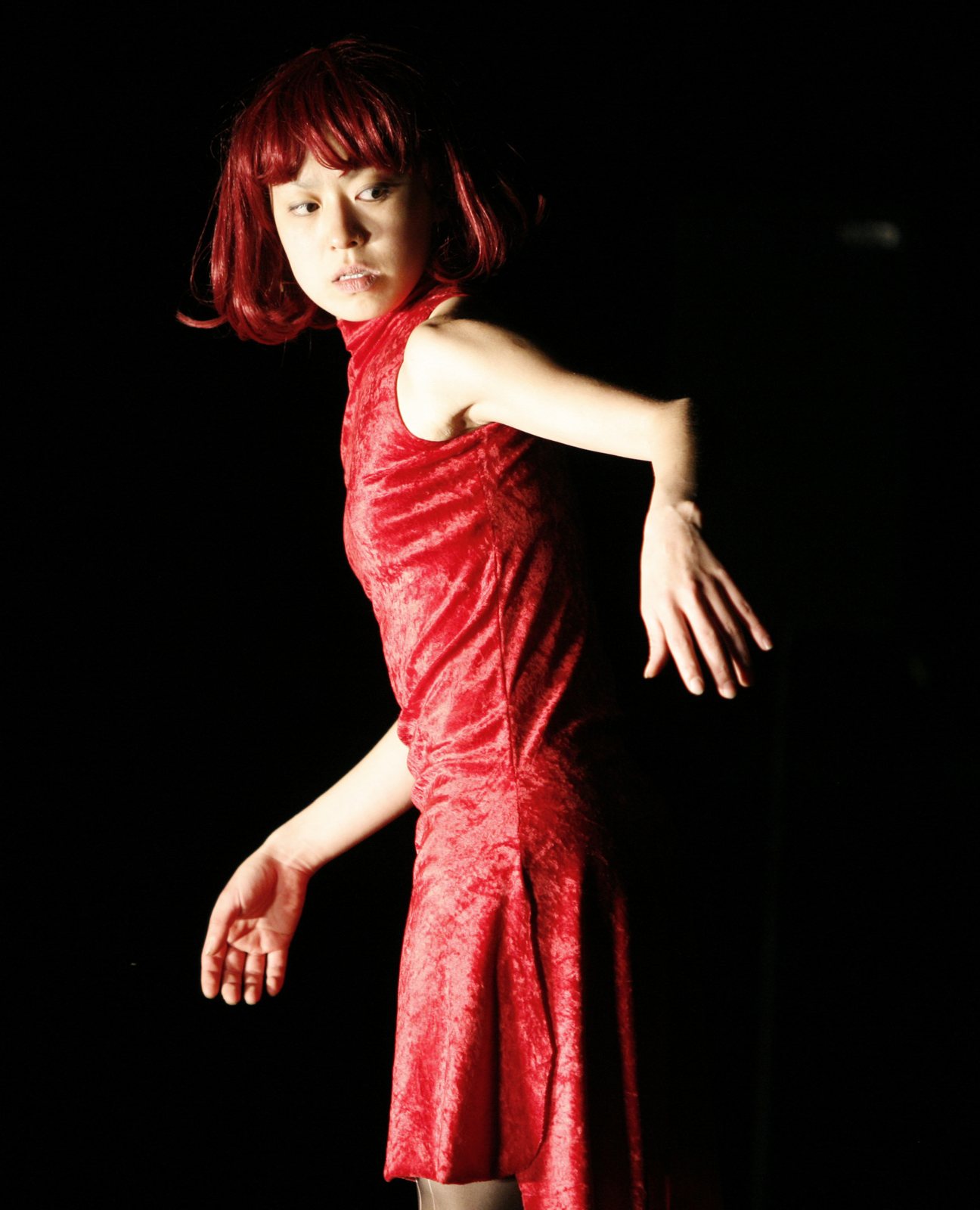
Michal Mariánek & Yoko Higashino, 2006 – 2007

Dramatic dance, scattered rhythms and soundscapes make up this collaboration between Japanese dancer Yoko Higashino and Czech electronic experimentalist Michal Mariášek. Improvised live sets of processed sound trigger extraordinary movement from a dancer able to follow and answer every turn of the music: forty minutes of live communication between two disparate worlds, sound and movement, man and woman.

The Park in Progress festival in Marly-le-Roi, France, brought the two artists together and commissioned the project for its third edition. A European tour followed in 2007.

Credited as Michal Mariánek.

Media Art Research and Curating

2008 – 2016

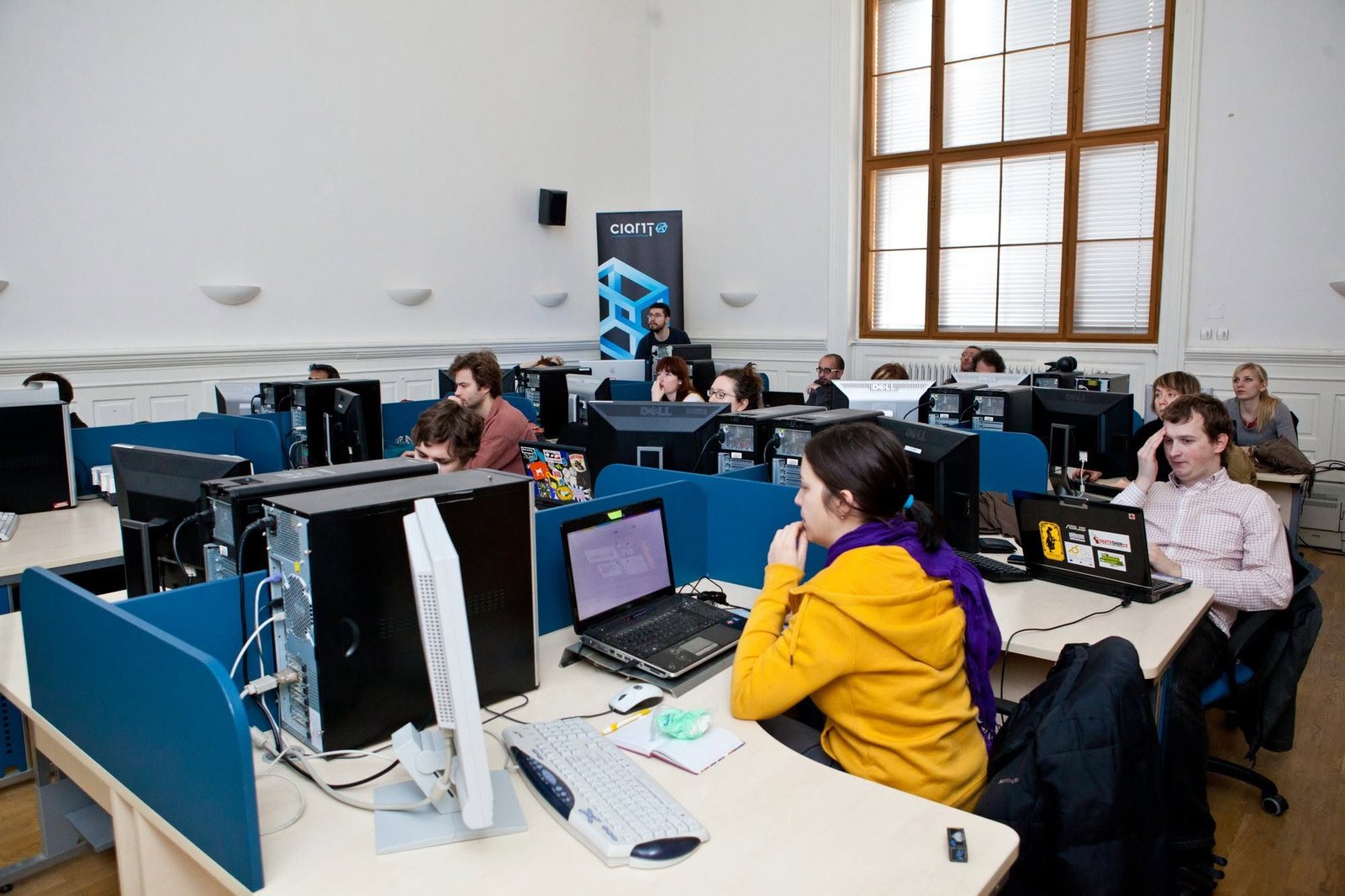
From 2008 until its closure in 2016 he worked at CIANT, the International Centre for Art and New Technologies in Prague, a non-profit, transdisciplinary organisation bridging art, science and technology through research, production and education. His work there followed interwoven lines: continuous research into interactive technologies for the arts, curating and producing festivals and public programmes, and building international collaborations.

European projects supported by the EU Culture Programme gave the research its themes and partners: interactive performance, online platforms for creative communities and support for emerging artists. The ENTER biennale and the RESET platform gave it a public stage.

ADAPT

Advancing Digital Art Performance Techniques, 2009 – 2011 · Researcher and developer

ADAPT carried his work on Alfama and AntiGravity into European research. With partners in Portugal, Romania and Belgium, CIANT developed software and hardware for contemporary dance and theatre: real-time motion capture, tracking and video mapping, interactive sound design and simulated physical environments on stage.

Mariášek developed systems linking the performer’s movement to sound. It was the same dialogue between body and electronics he had explored with Yoko Higashino, now built as tools for other artists. The research was presented at ENTER 2009 in the two-part exhibition ADAPT!.

Builds on: Audiovisual Art and Performance

CHANCE

Challenging Networked Communities, 2010 – 2011 · Head of development and software architect

CHANCE connected artistic communities through the social networks and communication tools of the time. Its main outcome was an open-source online platform built on peer-to-peer production and mass collaboration, designed to give minorities, disadvantaged groups and new talents room to share ideas and skills across borders.

As head of development and software architect, Mariášek designed the platform and led its development with partners in Turkey, Germany and France. It was the first step on the path that led to Studio Assistant.

Leads to: Software Architecture and Development

CONNEXT

Connecting Next Talents in Media Art, 2012 – 2013 · Project leader

CONNEXT was a European incubator for emerging artists and recent graduates in new media art. It linked art schools, curators and international festivals so that talented students would find professional support right after graduation.

Through an online platform, teachers across Europe nominated the best student and diploma works. The winners of the CONNEXT Award 2013 received paid residencies, mentoring and the chance to show their work at festivals including ENTER in Prague and GAMERZ in France. Mariášek led the project, which tied his research to his curating and university teaching.

Leads to: University Teaching

ENTER

International biennale of art, science and technology, 2009 – 2013 · Co-curator and producer

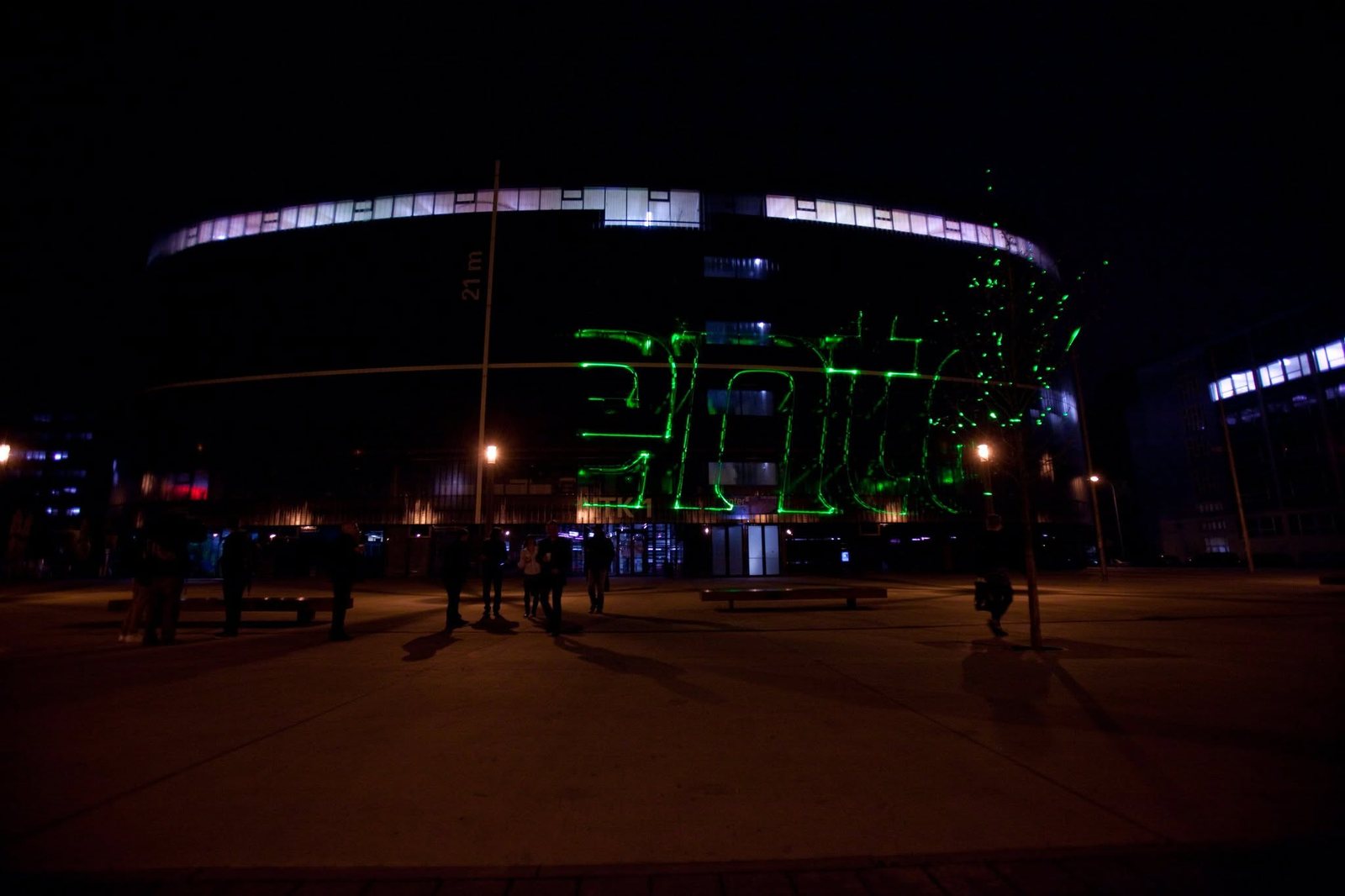
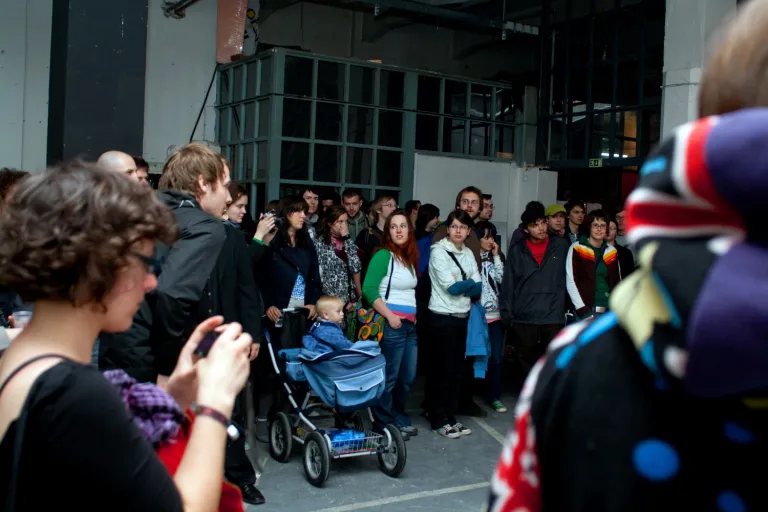
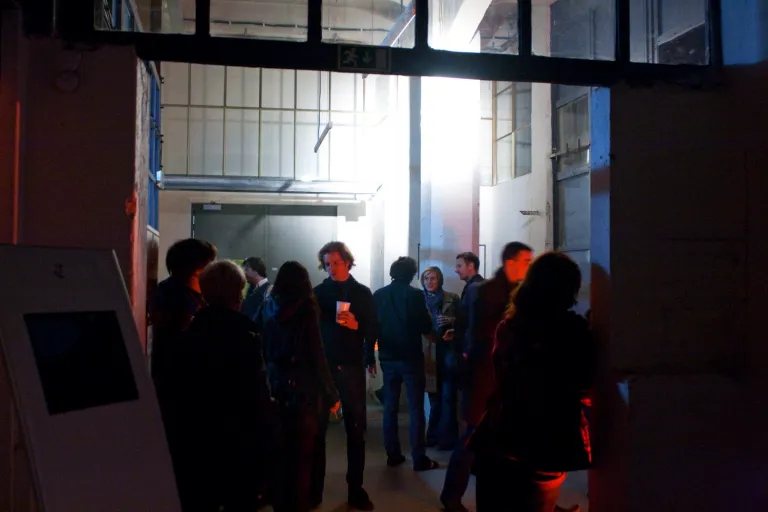
ENTER, CIANT’s international biennale, brought artists, scientists and technologists together across Prague. Each edition gathered dozens of artists and thinkers from around the world in galleries, theatres and cultural centres, with exhibitions, performances, installations, lectures and workshops, often alongside international scientific conferences.

As co-curator and producer of the fourth, fifth and sixth editions, Mariášek was responsible for audiovisual performance, the field he knew from the stage.

Builds on: Audiovisual Art and Performance

RESET

Platform for new media, art, science and technology · Curator and producer

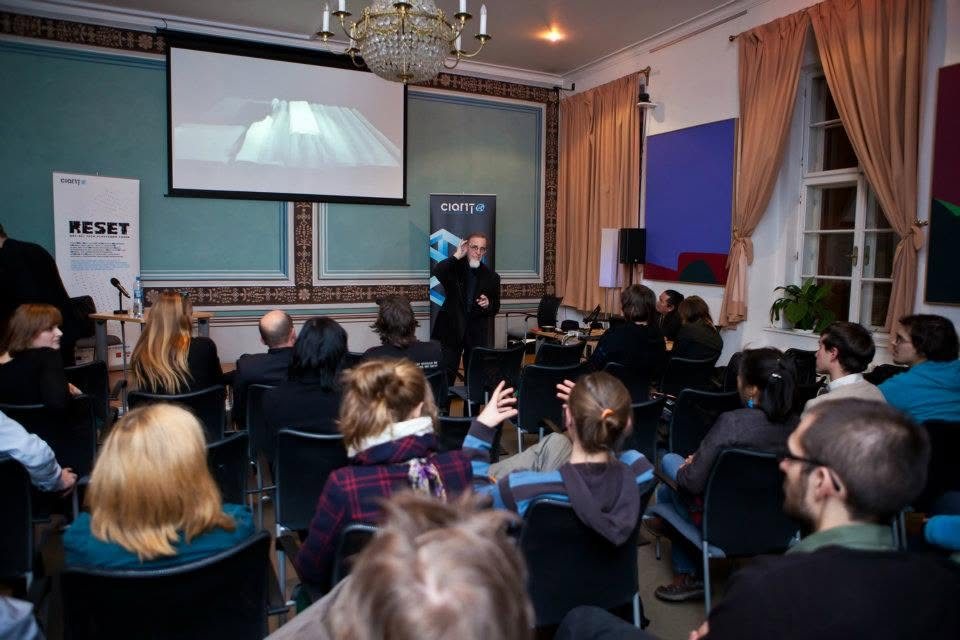
RESET was CIANT’s long-term cultural and educational platform: a year-round programme of lectures, workshops and meetings with Czech and international artists in Prague, including the lecture series Binární kuráž, crowned by the RESET festival.

Mariášek was responsible for Reset Night, its programme of audiovisual performances, and took part in the educational programme for the public, an experience that fed directly into his teaching.

Leads to: University Teaching

University Teaching

2009 – 2023

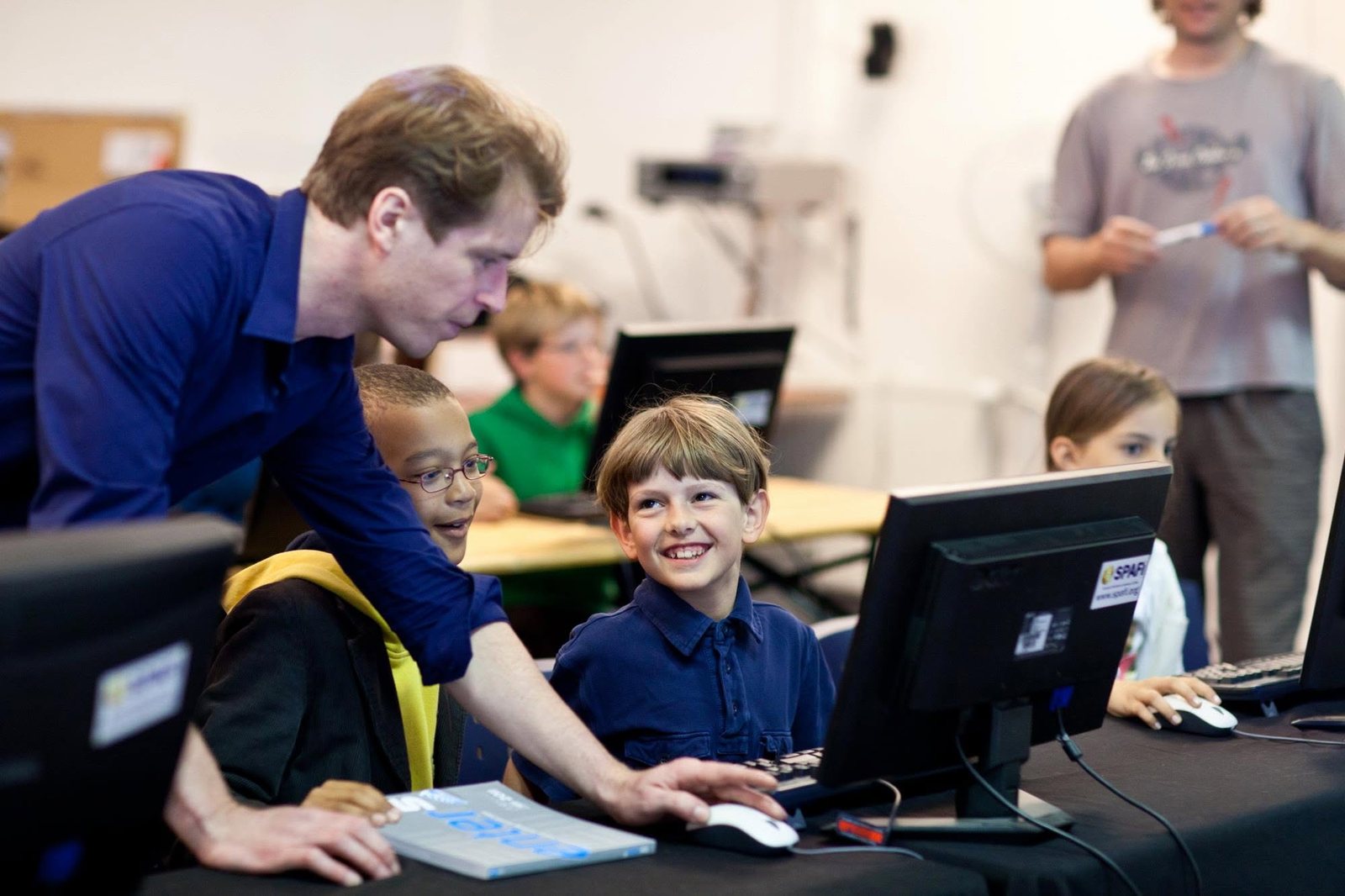
For fourteen years Michal Mariášek taught at Prague College, a British university based in Prague, now Prague City University.

As principal lecturer he worked across two departments, Art & Design and Computing, teaching how new technologies can be used in art and interactive design. Students from both sides met in his classes the same way his own work had always joined art and engineering: creative ideas tested in code, and technology approached as a medium for expression.

His teaching drew directly on his practice, from game development and live audiovisual performance to the research, festivals and public programmes he ran at CIANT.

Builds on: Media Art Research and Curating

Software Architecture and Development

2010 – present

Today Michal Mariášek designs and builds software platforms. Two decades of games and interactive media shaped the way he works: he starts not from code but from the people who will use it.

His role spans the whole arc of a product. He translates users’ needs into a concept and a system architecture, designs the data model, and builds both the backend and the user interface, through to deployment and operation in the cloud. Because he has worked on every side of interactive work, as a designer, an artist and a developer, he connects what a product should do with how it is built.

Technologies TypeScript · JavaScript · PHP · HTML · CSS · Express · REST APIs · Prisma · MySQL · Redis · Svelte · Kubernetes · Microsoft Azure · DigitalOcean

Studio Assistant

The Audio Hunt, New York, 2017 – present · Co-author of the concept, software architect and lead developer

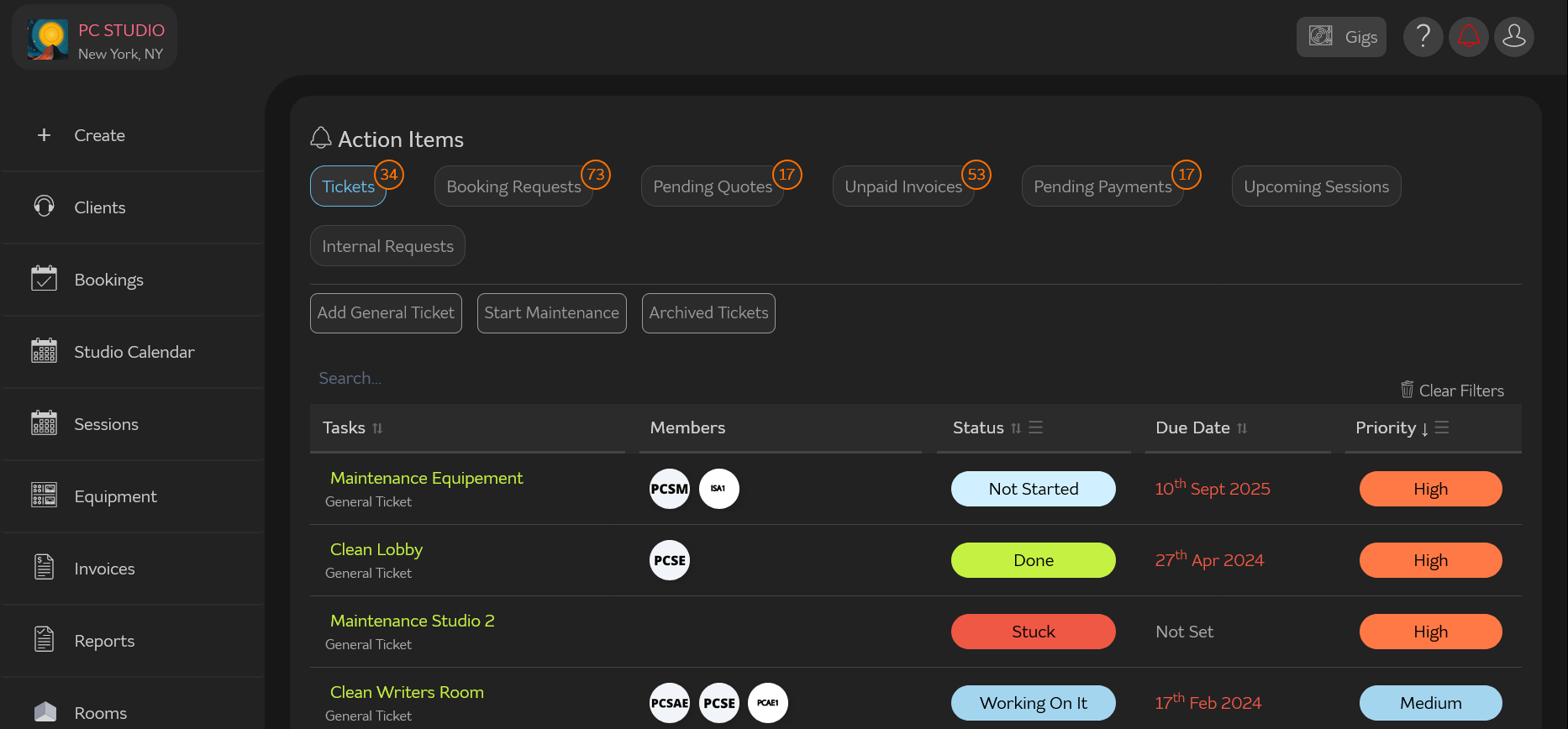
In 2017 Mariášek began working with The Audio Hunt, a New York company founded by music professionals, on a new startup: Studio Assistant. He co-authored its concept and designed its architecture, and as lead developer has built the platform ever since, from the data model to the interface.

Studio Assistant bridges the gap between artistry and business. It brings recording studios, artists and their teams together in one place: bookings and session calendars, clients, quotes, invoices and payments, equipment and rooms, with real-time access for everyone working on a project. It is built for the next decade rather than the next trend: a foundation on which new technologies, from automation to AI, can be integrated as the music industry changes.

Builds on: Media Art Research and Curating
Contact

Get in touch

For collaborations, exhibitions, press or anything else, write a few lines and I will reply as soon as I can.
Also on LinkedIn and Facebook.

Your details are used only to reply to your message.